

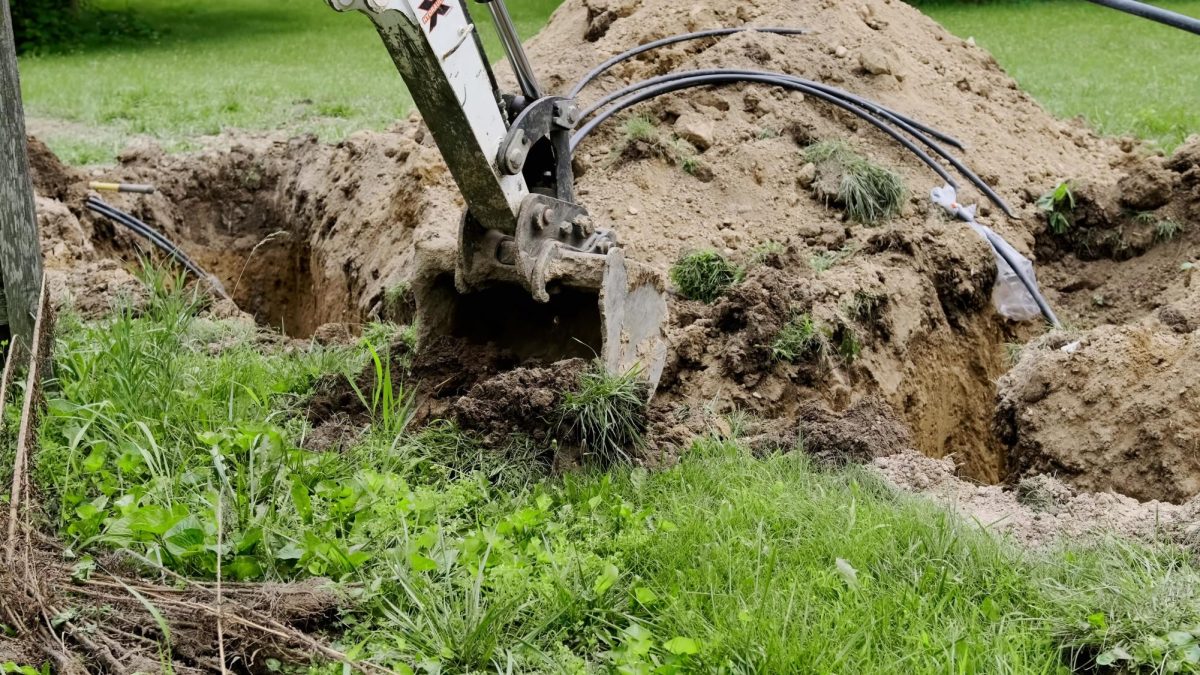
Human skeletal remains discovered during construction of a new track and field facility at Mid-Pacific Institute in Mānoa were initially investigated as a possible homicide, but authorities now say the bones appear to be ancient and not connected to any recent death.
Construction crews uncovered the remains on Jan. 22 while working on the campus. The Honolulu Police Department issued a public alert that evening and opened an investigation. The following day, Mid-Pacific officials confirmed that work at the site had stopped and that authorities and archaeologists had been notified.
In a public update released on March 6, police said forensic anthropologist Robert Mann of the John A. Burns School of Medicine conducted a preliminary examination and determined the remains appear to be ancient. Police noted that the location may have been used as a burial site.
Jordan Kea Calpito, history and culture branch chief for the State Historic Preservation Division, said early uncertainty about the discovery stemmed from concerns the remains could have been connected to a criminal case.
“Initially, the issue was not whether the remains were Native Hawaiian; investigators were concerned they might be related to a possible homicide based on material found near the burial and the age of the ground fill,” Calpito said.
Under Hawaiʻi law, construction must stop immediately when human skeletal remains are discovered. Authorities including police, the medical examiner and the State Historic Preservation Division must be notified, and a qualified archaeologist evaluates whether the remains are historic and how they should be handled.
Once the remains were determined to be historic and not connected to a homicide investigation, jurisdiction shifted to the State Historic Preservation Division under the Hawaiʻi Department of Land and Natural Resources.
“If inadvertently discovered human skeletal remains fall within SHPD jurisdiction, we follow a process that includes notification, consultation and determining whether the remains will be preserved in place or relocated,” Calpito said.
Mid-Pacific Institute owns and operates the Mānoa Valley campus where the remains were discovered. The school established the site in the early 20th century as it expanded from earlier mission institutions in Honolulu, according to “The Story of Mid-Pacific Institute” by Helen Gay Pratt in the Mid-Pacific Institute Digital Archives.
State officials said the ongoing review will determine the next steps for preserving or relocating the remains. Authorities have not yet released additional details about the age or cultural affiliation of the bones.













Nancie Caraway • Apr 5, 2026 at 12:21 pm
Great scoop! I’m wondering if Mid Pac initially tried to slow or avoid investigation.