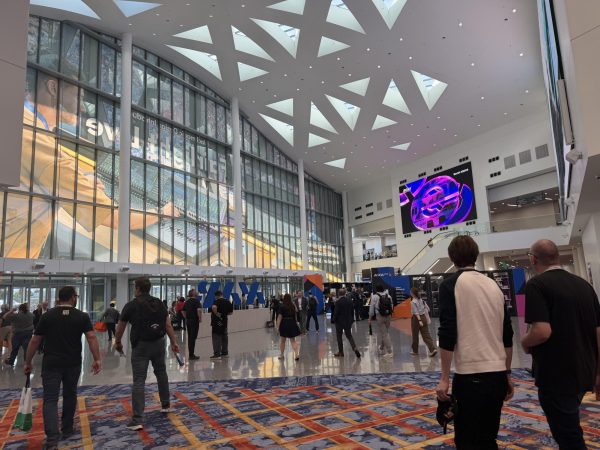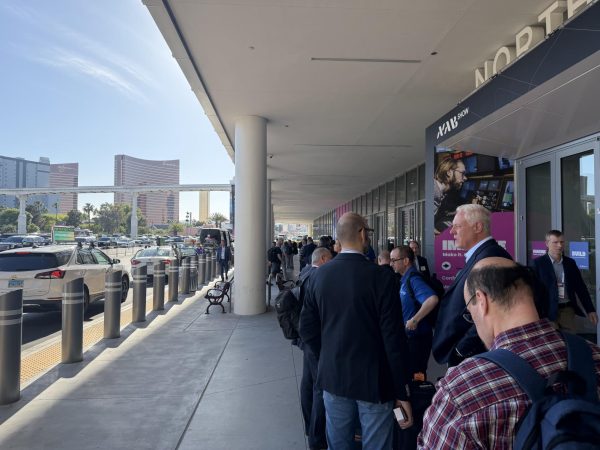

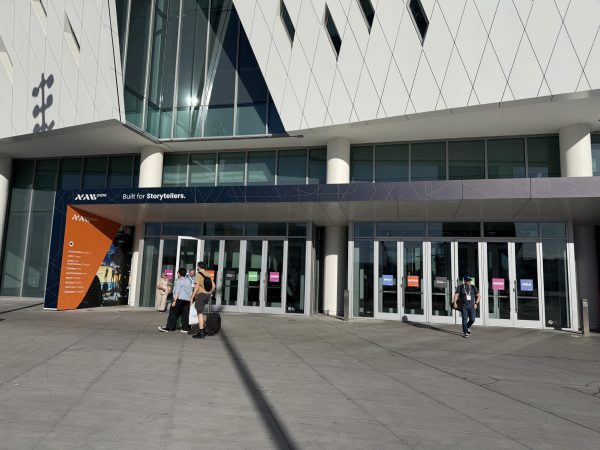
Artificial intelligence dominated conversations at the National Association of Broadcasters conference in Las Vegas.
Broadcasters, newsroom tech developers and media professionals debated how AI could reshape journalism without replacing the humans behind it.
“The West Hall in particular was filled to the brim with AI,” said Michael Precourt, conference attendee. “In some ways, it’s kind of scary to see just how much AI is taking over the industry.”
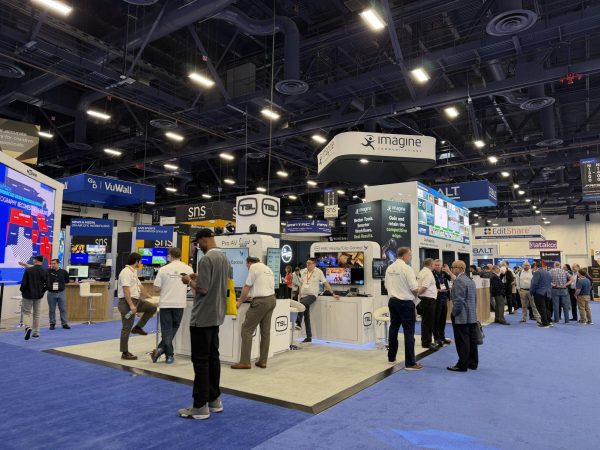
From April 18 to April 22, more than 58,000 people attended the conference, with nearly half being first-time attendees and 146 counties represented.
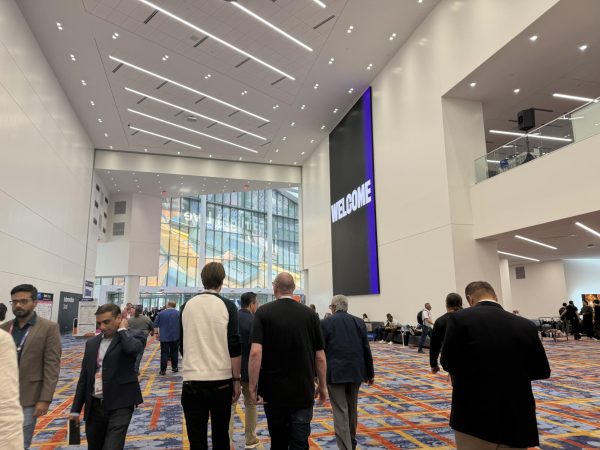
Debates about AI usage
While exhibitors showcased new AI tools across the convention floor, many attendees emphasized the importance of maintaining human oversight in journalism.
Precourt, like others at the conference, had some reservations about AI.
“I’m the guy who probably watched Terminator one too many times as a teenager,” said Precourt. “Whenever somebody comes with with a new AI tool, I immediately think we’re one step closer to Skynet becoming self aware.”
The Associated Press, which is building new software to cut down repetitive tasks for journalists, answered many questions about AI at their conference booth.
One of their specialists, Bryan Peach, said reporters need to be doing the research rather than generative AI.
“You should be doing the work. Make the calls,” said Peach.
With AI being firmly established, Peach emphasized using it responsibly while respecting the product and viewers.
“We can combat the skepticism of the use of AI by doing it well,” Peach said.
Another business working to shorten workflows for content creators is Presaige AI.
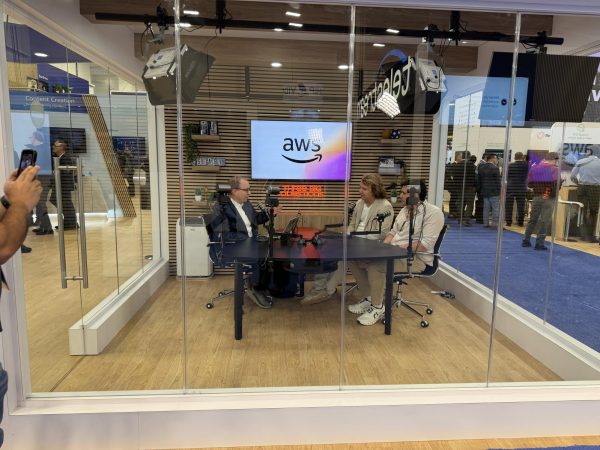
Its co-founder, Mark Littman, is working on an app that picks the most engaging content for creators to push out sooner.
Littman pointed out that AI has been around for a long time and has only been improving.
“I mean, autocorrect in Word,” said Littman. “That’s only gotten better and better, and I think unapologetically, people are happy about that.”
Despite starting an AI-based app, Littman listed some reservations about relying on the tool too much.
“It should be supplementing people’s skills, not replacing them,” he said. “If it’s used that way, it’s very good, and if it’s not, then it’s very destructive.”
More social media influencers at NAB
Businesses and participants may have noticed a higher number of social media influencers attending the conference.
A significant number were seen attending talks and sessions about boosting engagement and viewership.
Peach called the change unexpected, but unsurprising.
“They grew up watching TikTok and Instagram reels,” he said. “People who take in their media that way are going to want to be the media output in that form.”
Precourt, as an attendee, wondered how independent creators and traditional broadcasters fit together in an evolving media landscape.
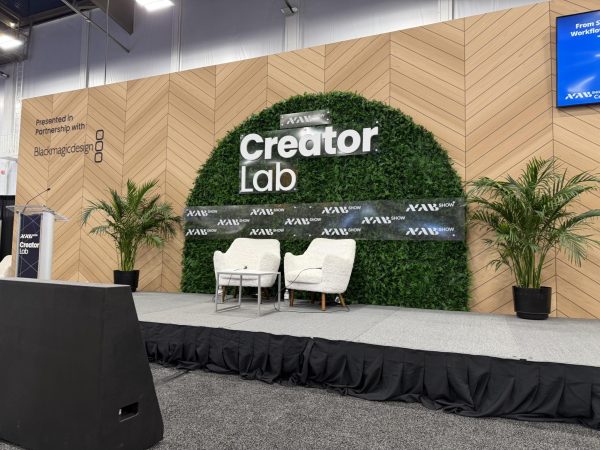
Littman expected to speak about his business mostly with independent creators in the Creator Lab space, a central hall section focused on emerging trends in digital media.
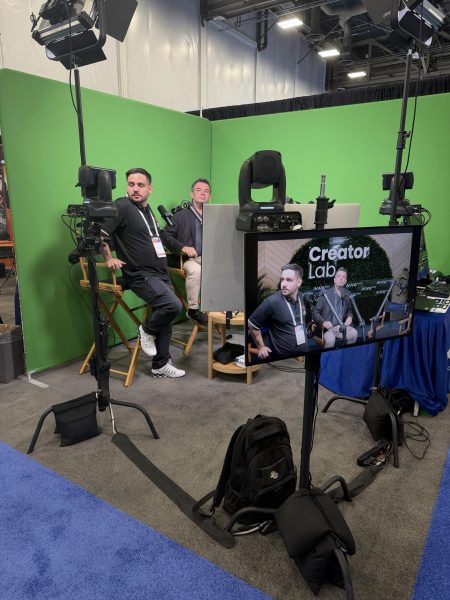
Instead, Littman said Presaige drew interest from traditional broadcasters, streamers, and advertising agencies looking for ways to better predict audience engagement.
“I don’t think people were looking for a science lesson,” said Littman. “They were looking to understand.”
Experts caution against rushing using new technologies
As broadcasters race to adapt to changing technology, some attendees warned against rushing to embrace every new tool without fully understanding its impact.
Precourt cautioned against stations hastily using them to beat out competitors.
“Just because we get a new piece of technology doesn’t mean we should just go all in on it right away,” he said.
Precourt added that broadcasters will need to embrace new technologies carefully if the industry hopes to survive.
“It’s not a sprint, it’s a marathon,” said Precourt. “We’re not interested in winning the sprint. We’re interested in winning the marathon.”
Protecting the product is vital in the journalism business, said Precourt.
“They will notice if your product, if your broadcast, is not up to standard,” said Precourt. “So quality first, and the audience will follow.”
Reflecting on NAB’s importance
Peach said one of his biggest takeaways was seeing so many people energized about the media industry.
“It’s a very tight knit community, and it was encouraging to see,” he said.
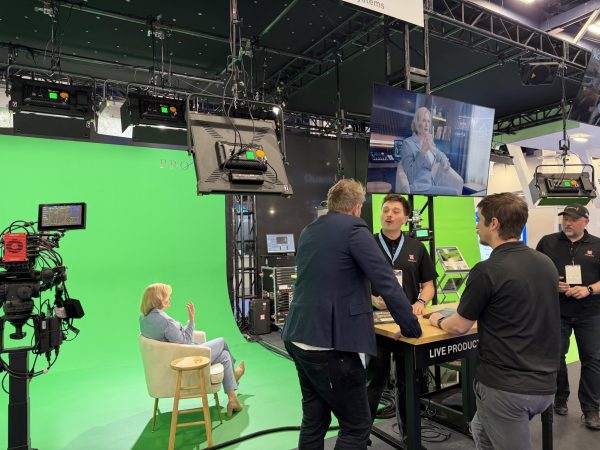
Precourt reflected on the value of a beneficial networking connection, something the NAB offered every participant by gathering thousands under one roof.
“A good, solid networking connection can never be taken away from you,” said Precourt. “If you’re meeting people who already have a common interest, that’s already something you can bond over.”
Even with AI dominating conversations, attendees said the human connection behind the industry remains important.]
“There’s a very human aspect to it that I think this show shows is still there and still relevant,” said Littman.