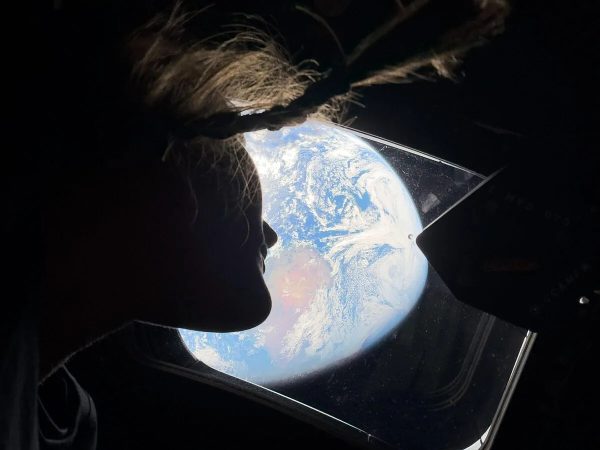


On April 1, the Artemis II rocket, carrying four astronauts, successfully launched into space.
The mission consisted of four astronauts – three from NASA and one from the Canadian Space Agency, aka the CSA.
After a 10-day orbit around the moon, they landed safely in the Pacific Ocean off the coast of San Diego, marking the first steps in terms of new age space exploration.
For students at the University of Hawai‘i at Mānoa, this opens up many new opportunities for those looking to pursue a career in astronomy or engineering.
“I think the student body here at UH has opportunities to have a strong connection to these kinds of space exploration,” said Eugene Magnier, a specialist and undergraduate chair for the astronomy department. “Theres a lot of work being done here at UH to be involved in the space exploration process.”
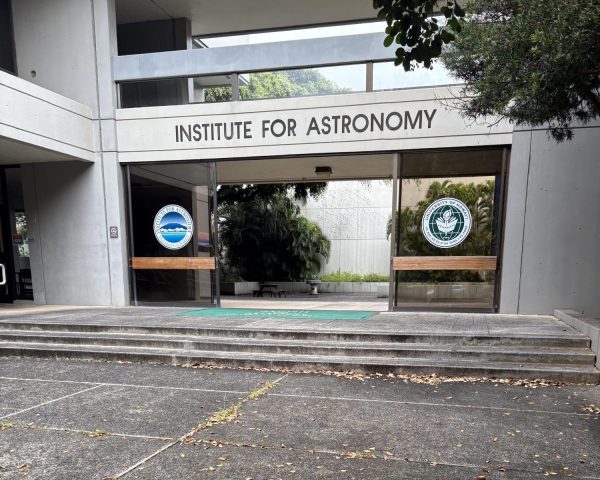
In the Fall of 2024, the university started to offer minors and certificates in Earth and Planetary Exploration Technology and Human Space Flight Technology. The programs aim to give students the opportunity to be directly involved in new age space exploration when it comes to low orbit missions to the moon and mars.
The Robotic Space Exploration club, otherwise known as RoSE, is one example of the strong student interest for space exploration and technology on campus.
The club builds several different types of robotics that further space exploration as a whole. In the recent NASA RASC-AL competition, they just qualified as national finalists for power systems architecture on the moon.
Several of the club’s members have gone on to intern for NASA and have their projects be a part of the bigger picture. The club’s main goal is to have students harbor their skill with the intention of working on the real thing.
“We realized that the engineers that work on it are not too different from us,” said Micah Tajiri, president of the RoSE club. “When we look at aerospace stuff and all the crazy stuff they’re doing, we think of it as this very serious industry but in reality, it’s not too far off from the humor that we have.”
One example of such humor Tajiri mentions is when, just hours into the launch, the toilet system for the Artemis II went down. While the system was troubleshot and eventually fixed, the mission control at NASA had a laugh about it till then.
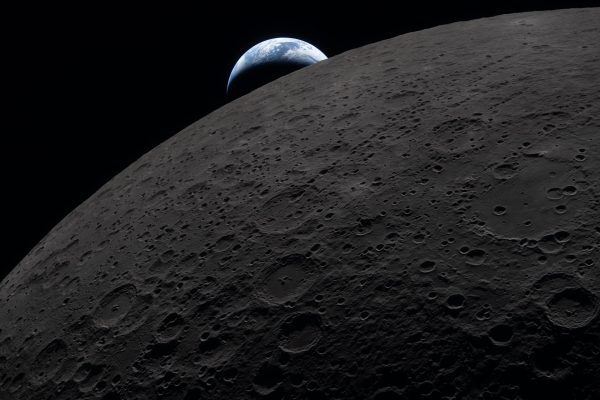
“ We haven’t been back to the moon in so long and seeing us, not yet land on it, but get that close and I guess, technically go back to the moon,” said Tajiri. “It’s very inspiring for someone like myself and a lot of others on the team.”
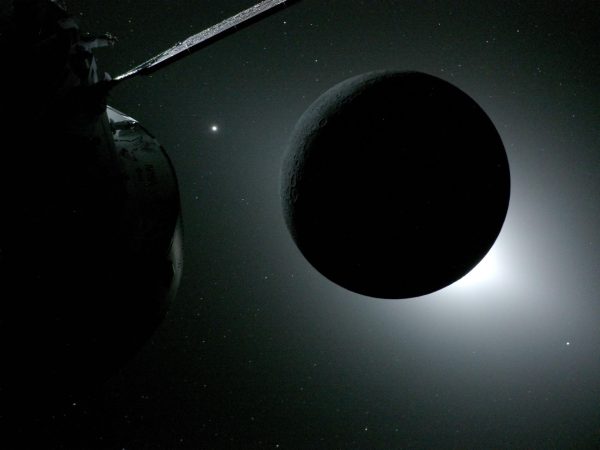
The Artemis II mission may not have landed on the moon, but was a momentous step forward for space exploration. NASA hopes to have the Artemis III launch sometime in late 2027 with the new information gathered on this mission.
“And the future, of course, we are all looking forward to the time where finally, that humankind can go again, back to the soil of the moon.” said Veronica Bindi, chair for the physics and astronomy department. “This travel, it’s happening at a very critical moment where people need to see, even more than ever…That this is something good for humankind.”
The astronauts, Reid Wiseman, Victor Glover, Christina Koch, and Jeremy Hanson, have successfully completed their mission and have landed safely back on Earth. The four are now back to work in order to move forward with Artemis III.