
Artificial Intelligence is part of our everyday conversations and probably will be for the next decades. It becomes fundamental to ask ourselves, “Why do we trust it so easily?”
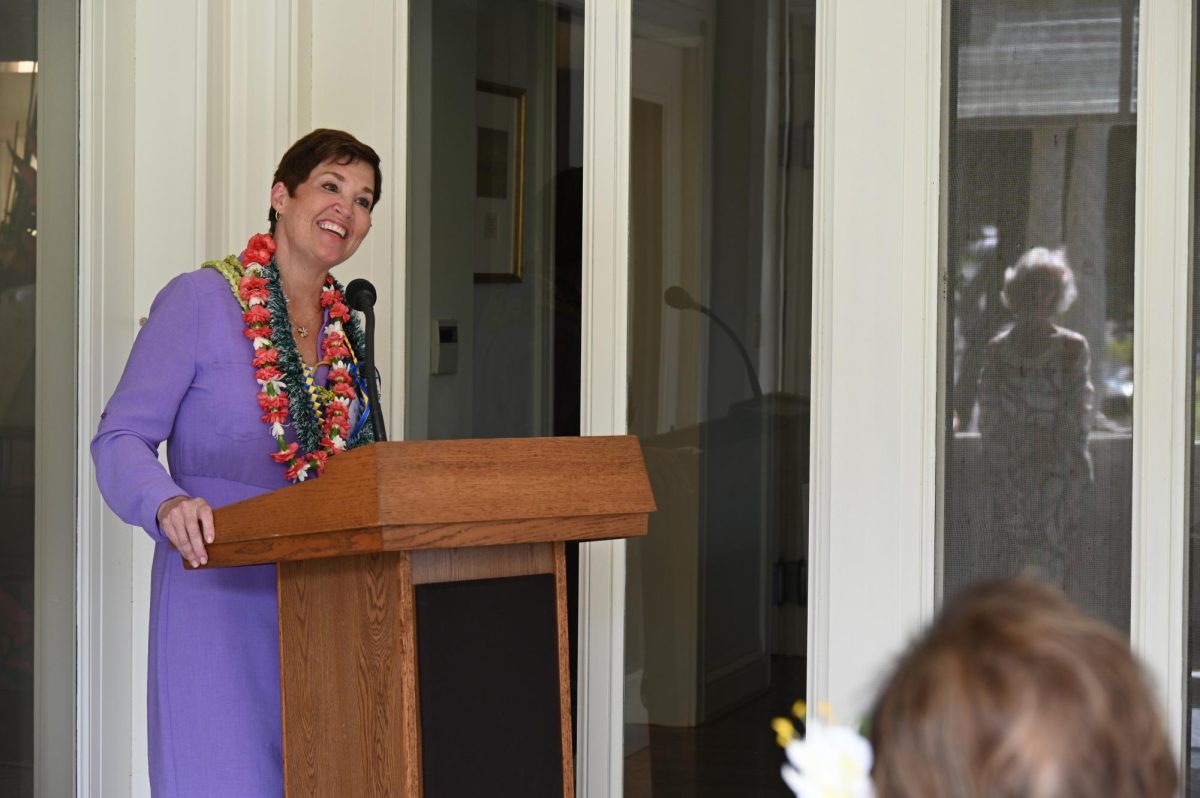
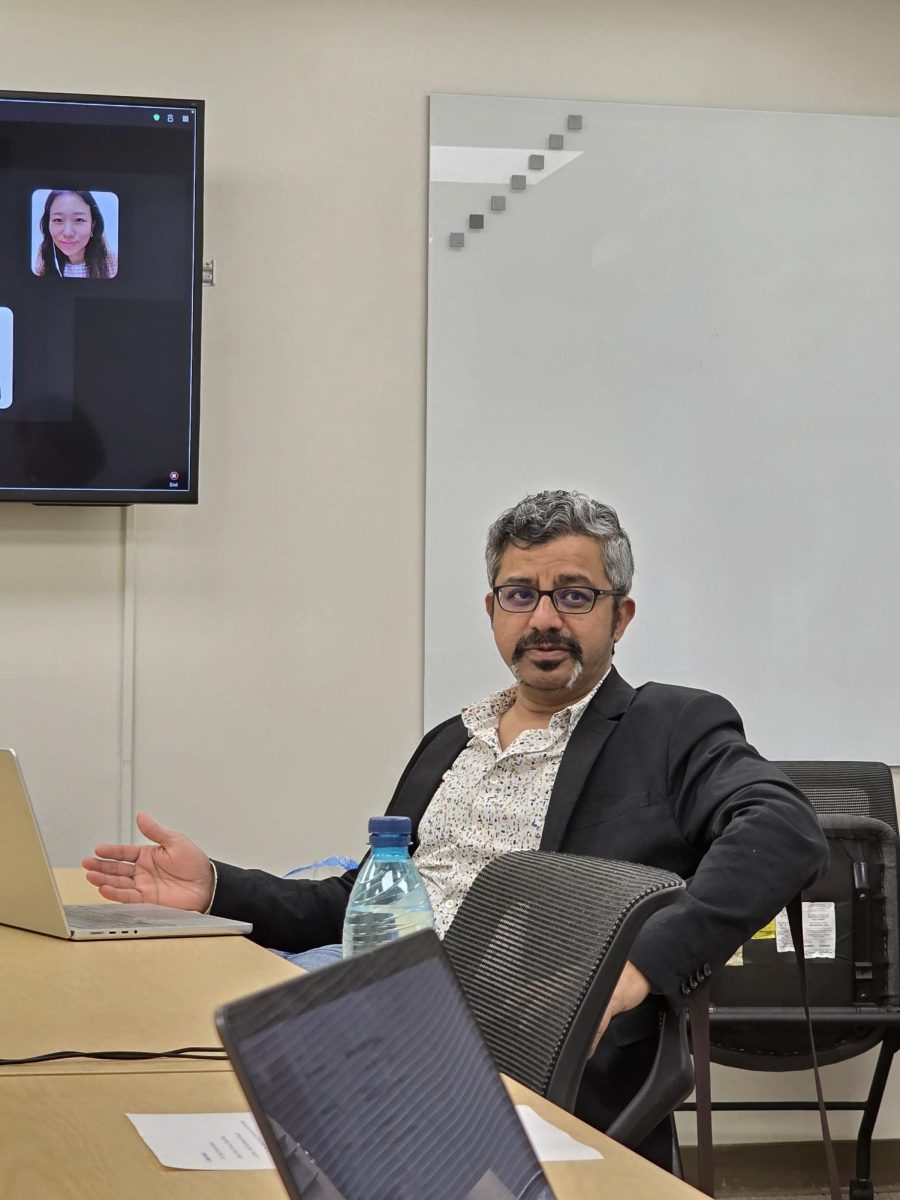
That question was at the center of the School of Communication and Information’s Spring 2026 Open House at the University of Hawaiʻi at Mānoa on April 10, which this year focused on human-centered AI. The event, originally planned to be held in person, was moved to Zoom due to unstable weather conditions.
Its focus was on the challenge of keeping up with fast-moving AI while making sure it is used in ways that benefit people, especially in education and research.
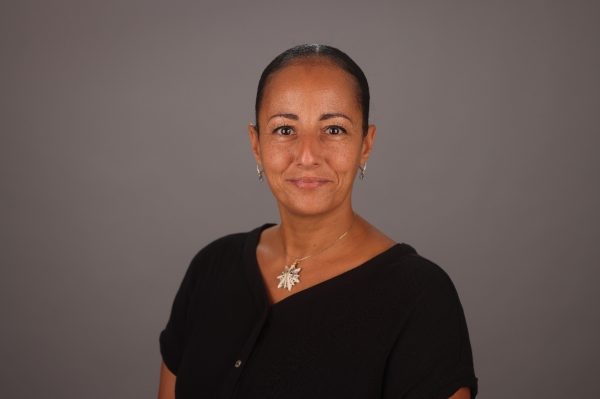
As part of the event, S. Shyam Sundar, director of the Pennsylvania State University’s Center for Socially Responsible Artificial Intelligence was invited as a keynote speaker. He discussed how human psychology determines the way people interact with AI systems — and why those interactions often lead to trust.
“We apply the same rules of social interaction that we do with human interaction,” said Sundar. “All the social rules that humans have with each other; they apply them to machines.”
Sundar explained that this instinct goes beyond simple interaction. As AI becomes more advanced, it is no longer just a tool people use, but something they respond to as a communicator.
“AI is not merely a medium or a channel,” Sundar said. “It is essentially a source of communication.”
That shift helps explain why people often place significant trust in AI-generated information.
“People listen to what AI says,” Sundar said.
According to Sundar, this trust comes from mental shortcuts, or heuristics, that shape how people process information. When something comes from a machine, users tend to assume it is reliable.
“We think of machines as objective, more objective than humans. We find them more precise, more secure,” Sundar said.
However, these assumptions can lead to overtrust — a pattern Sundar says is deeply ingrained in everyday behavior.
“These mental shortcuts are the real reason why we tend to overtrust technology,” Sundar said.
That overtrust can have real-world consequences. Sundar pointed to examples where reliance on machines changes how people behave, sometimes dangerously.
“When the car is being driven by a machine, people start reading books, when an aircraft is on autopilot, pilots are known to take a nap,” Sundar said.
While AI systems often appear confident and flawless, they do not actually verify information in the way people might expect. Instead, they generate responses based on probability.
“It’s more of a token prediction system,” Sundar said. “It basically predicts the next sentence.”
Because of this, AI responses can sound certain even when they are not — reinforcing user trust without having to give relevant evidence.
Sundar also warned that AI systems can reflect and even amplify existing social biases.
“Generative AI is even worse in that respect,” Sundar said. “It essentially perpetuates the history of bias that has existed in humans.”
In addition to bias, AI can also contribute to misinformation, particularly through highly realistic video content.
“We tend to trust our eyes — seeing is believing,” Sundar said.
As AI-generated images and videos become more common, that instinct can make it harder for users to distinguish between real and misleading information.
Despite these challenges, Sundar is convinced that the solution is not to reject AI altogether, but to use it more thoughtfully.
“What we need really is a calibrated and appropriate level of trust,” Sundar said.
That means recognizing both the strengths and limitations of AI systems, rather than blindly trusting or completely rejecting them.
As discussions around AI continue to intrigue us, this Open House talk demonstrated that, at the end of the day, we all want to be sure that technology is developed and used in ways that benefit society. AI is becoming an increasingly powerful force in communication, education and daily life. It left the message that understanding why people trust it — and how to use it responsibly — may be key to shaping its role in the future.