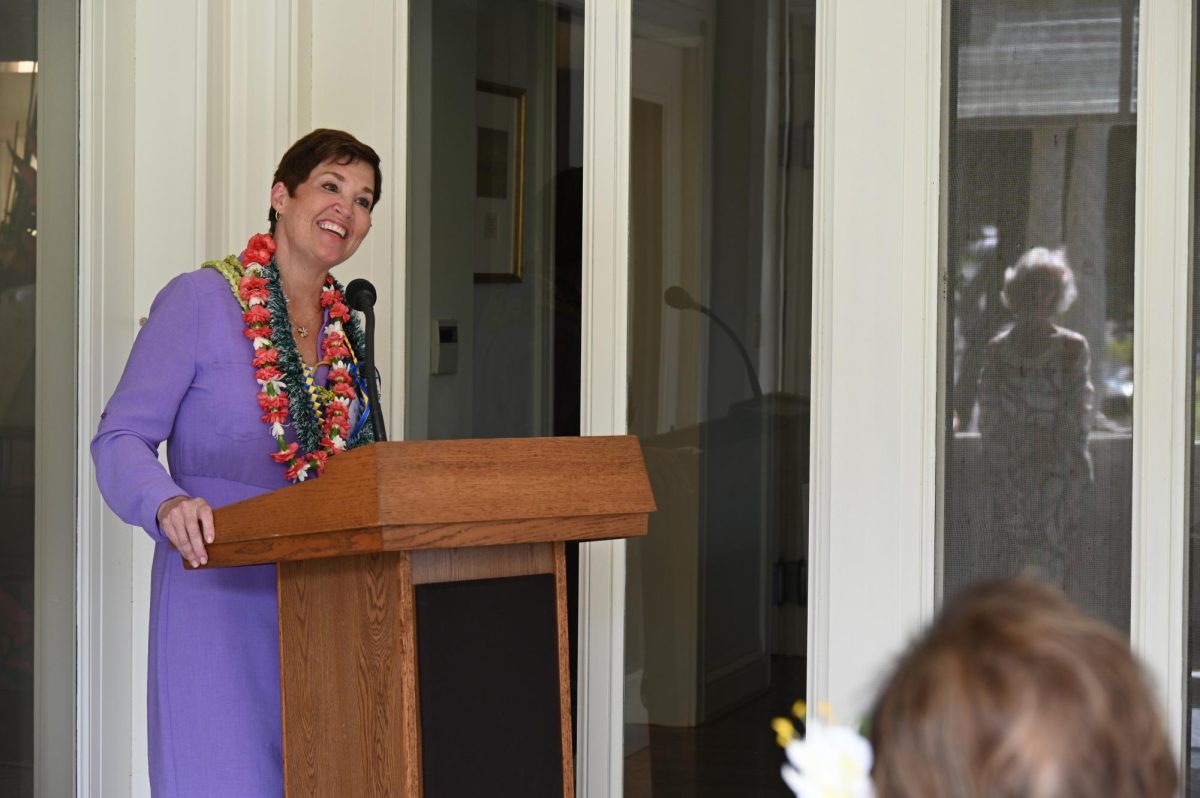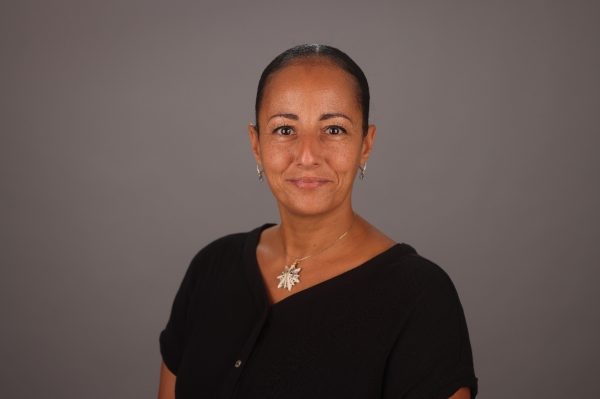


On Feb. 10 at the Art Building, students and faculty welcomed Pulitzer Prize–winning New York Times investigative journalist Jodi Kantor for a workshop titled “Stories That Change the Weather.” In a time of information overload and cynicism, Kantor asked a timely question: Why do some stories still manage to break something open and take us somewhere new?
She opened the workshop with a preview of her upcoming book, “How to Start,” set for release on April 21. The book, she explained, was inspired by a group of students who approached her with a question many young people are quietly asking, “In this crazy environment, how can we find, and begin our life’s work?” Her book aims to explore some possible answers.
Kantor described herself as a “specialist in secrets,” a journalist drawn to hidden systems of power. She is currently investigating the culture of secrecy surrounding the United States Supreme Court.
During the discussion, she encouraged students to rethink how they approach money and career choices. Rather than automatically choosing the higher-paying job, she advised them to consider mentorship, learning opportunities, and long-term growth. She reminded the audience that their 20s are not just about “earning, rather than learning,” but about investing in themselves and building a foundation for the future.
Kantor also shared that her own path into journalism was far from straightforward. She felt drawn to the field, yet she once questioned whether becoming a journalist was practical or responsible. Under pressure to pursue a more traditional profession, she enrolled in law school. She soon realized that journalism was her true passion.
She recounted a painful college experience in which she was publicly criticized in her student newspaper and later removed from the paper after being accused of harassment for repeatedly asking why the article had been written about her. At the time, the incident felt humiliating and discouraging, and it temporarily pushed her away from journalism.
Looking back, Kantor reflected that youth often comes with chaos, mistakes, and deeply uncomfortable moments. Those experiences, she said, do not have to define a person’s future, they can become part of the growth process.
During the Q&A session, undergraduate student Laurel Galvin asked, “How do you maintain balance as a professional journalist without being consumed by the weight of devastating news?”
Kantor responded that investigative journalists are not passive recipients of tragedy; they are initiators. Investigative reporters operate differently. Their role is to uncover secrets that have been deliberately hidden and bring them into public view.
“You are the one bringing the secrets to the table,” she said, emphasizing that the work is active rather than reactive.
She explained that while journalists covering disasters or mass violence often witness unimaginable suffering, investigative reporters operate differently. Rather than responding to events as they unfold, they initiate the process of accountability. The role, she said, is to uncover what has been deliberately concealed and make it visible for society to confront.
Reflecting on her investigation of Harvey Weinstein, Kantor acknowledged the emotional toll of reporting such stories. She said the investigation was driven by a clear goal to hold Weinstein accountable. As more women came forward, she witnessed what she described as a growing sense of solidarity among them. Many were speaking not only for themselves, but for the benefit of other women who might otherwise remain silent.
“We did cry,” Kantor admitted. Yet she described the experience as galvanizing rather than overwhelming.
She then turned the focus back to the audience. Pulling out her phone, she began recording responses as she asked a question of her own, “What is it like to apply for a job right now?”
The room answered with a mix of hesitation and curiosity. One student described interviewing with what she called an AI avatar. She said that the experience felt futuristic, but also unsettling. The interview was conducted entirely asynchronously. Instead of speaking with a hiring manager, she was prompted to scan a QR code and respond to pre-recorded questions from a digital character. A countdown timer appeared before each answer, giving her limited time to organize her thoughts before the camera began recording.
“It felt so weird,” she said, explaining that she had hoped for a face-to-face conversation.
The process, she added, stripped away the sense of human connection she associated with traditional interviews.
“It felt like the sense of community was completely gone,” she said, reflecting on the absence of human interaction. Despite her discomfort, she ultimately received the job offer.
In a new era marked by growing skepticism toward institutions and the media, Kantor’s message felt both grounded and urgent: stories still matter. The workshop highlighted that not every headline changes the weather, but sometimes they do. And when they do, they reshape how we see power, justice, and one another.
“Today, journalism is in terrible shape altogether, and yet, the need has never been greater,” she said.