
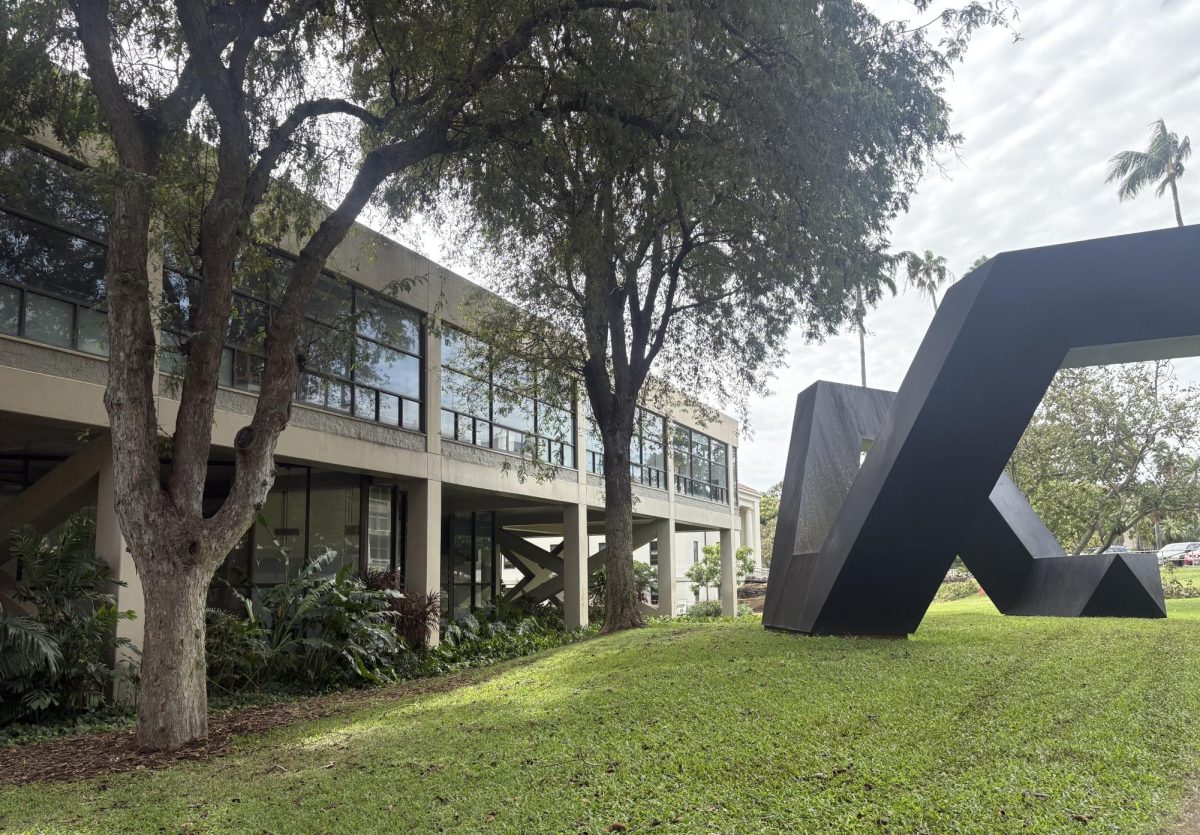
It felt like story time at the Art Building on Thursday evening, as stories of animals in Islamic Asia opened a public lecture on history and ethics. Hosted by the Center for Southeast Asian Studies (CSEAS) and the Department of Religion, its title, “Saints, Companions, and Sinners,” drew curiosity from attendees.
As a part of CSEAS’s ongoing Muslim Societies of Asia & the Pacific Lecture series, which brings scholars to campus to share knowledge and perspectives on Muslim societies across Asia and the Pacific, the lecture focused on historical and cultural traditions that developed in different Muslim societies, rather than on Islamic theology or scripture.
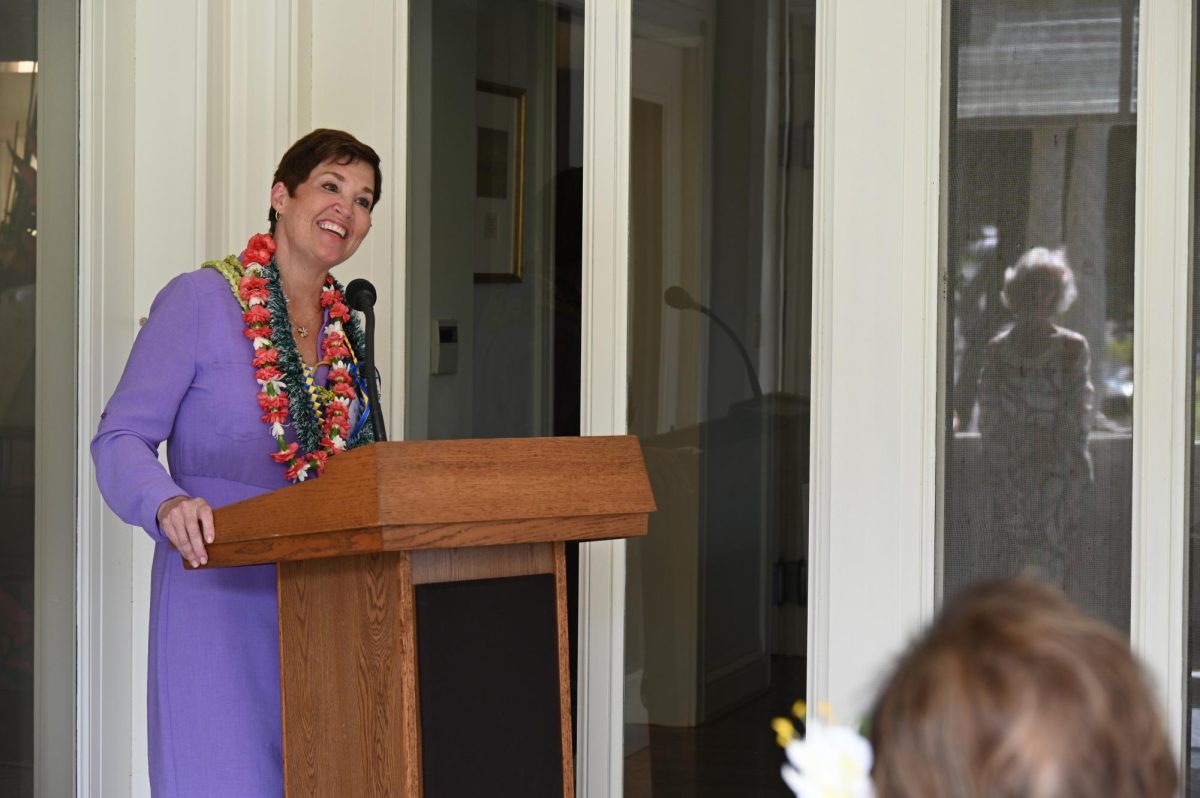
“The stories, which we might be prone to dismiss as fantastical, are presented as verified events and as narratives that circulate within communities to convey moral and social lessons. They are not stories of a premodern past alone, as communities today continue to relate to more‑than‑human kin, companions, friends, and enemies, drawing on these past teachings,” said presenter Teren Sevea, Prince Alwaleed Bin Talal associate professor of Islamic Studies at Harvard Divinity School. “From a historical and anthropological perspective, such stories offer insight into how people in both past and present understand ethics, power, and relationships between humans and the natural, or more‑than‑human world.”
Rather than delivering a traditional academic presentation, Sevea structured the lecture around storytelling. He shared narratives involving animals such as a python, rhinoceros, crocodile, tiger, and elephant, drawn from historical, literary, and oral traditions across Islamic Asia. In the stories, animals appeared in different roles, including protectors, companions, and sources of danger.
Audience members responded positively to the lecture’s accessible format. One attendee described it as “one of the best lectures on the topic,” while another said it was “fascinating,” noting that “the storytelling made complex ideas easier to follow.”
By hosting events like this, CSEAS continues to provide opportunities for students and the campus community to engage with interdisciplinary scholarship on Asia and the Pacific.
Oʻahu is also home to the Shangri La Museum of Islamic Art, Culture & Design, which offers guided tours of Islamic art from across Asia, the Middle East, and North Africa.