

Kalai Posiulai has been working with special needs preschoolers as a paraprofessional tutor. He knows how important it is to hear the wants and needs of his patients when it comes to their care.
“As a nurse, I would try to talk to the patient directly and the legal guardian to find the best path for the patient,” Posulai said. “I would take in the concerns from the legal representative, but my main focus is on the patient’s care.” Hawaii’s current legislature outlines a framework dedicated to protecting patient rights and ensuring that patients are fully aware of the consequences of the care they receive. The Hawaii Senate Bill (SB) 107 also advocates for these values.
Posiulai shares how his nursing program at the Hawaii Pacific University emphasizes patient care around respecting patient consent. “If the bill is focused on empowering patients to make informed choices, of course, I would stand behind that.” However, at the Senate Committee on Health and Human Services (HHS) hearing for Medical Informed Consent on January 27, three of four testimonies respectfully opposed the bill.
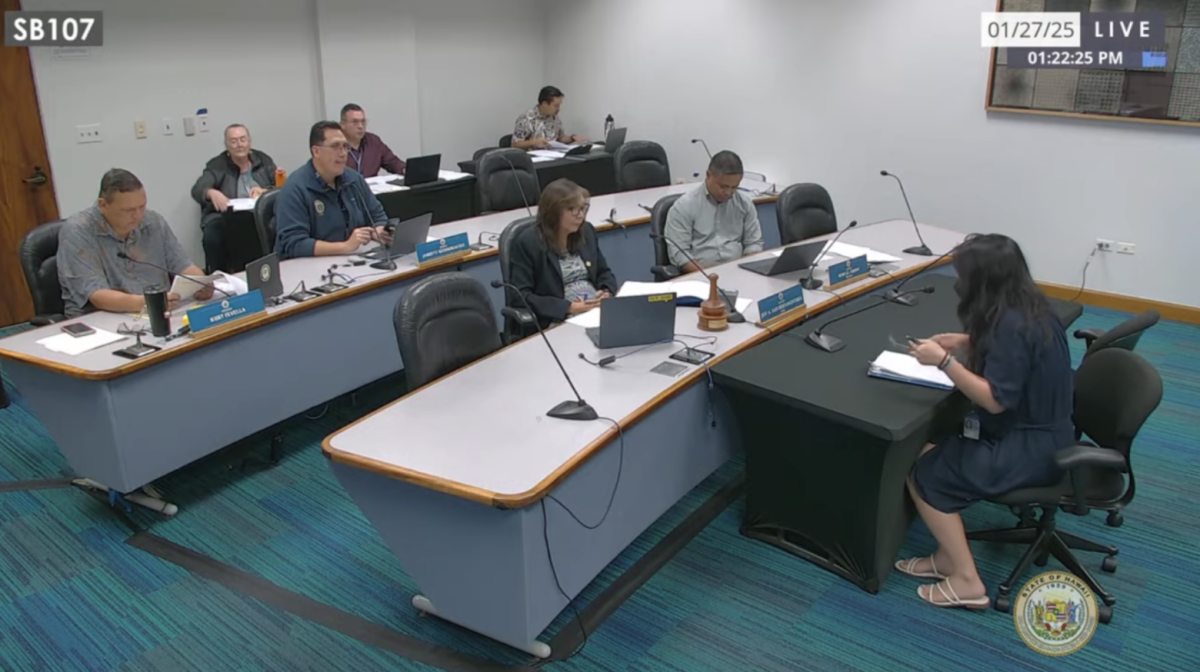
On January 9, Senator Karl Rhoads presented SB107, which aimed to clearly define a patient’s right to informed consent. The bill passed its first reading on the 15 and made its way to the Senate Committee on HHS, where Senator San Buenaventura, Chair of the committee, led the discussion. Senator Buenaventura dedicated two minutes to each testimony, and she invited Executive Officer Chelsea Fukunaga of the Hawaii Medical Board to speak first on their position.
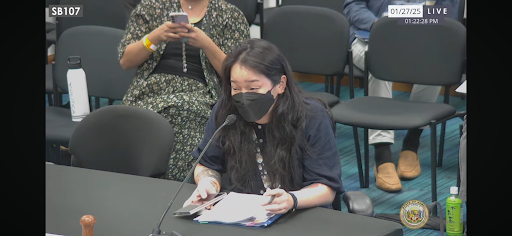
Executive Officer Fukunaga upholds their opposition to the bill on behalf of the Hawaii Medical Board. The Hawaii Medical Association and Healthcare Association of Hawaii follow suit, including concerns about the “duplicative” nature of the bill, which is rather “unnecessary” since there is well-established legislation that includes patient rights.
The Hawaii Medical Association’s written testimony specifically addresses two pieces of legislation that already address the purpose of informed consent and the requirements of patient consent in the Patient Rights Condition of Participation (CoP) in the State Operations Manual (SOM).
Hospitals in Hawaiʻi have already been implementing standards for informed consent, such as updated forms for patient care. “My role as an RN/Coordinator is to go over consent forms, offer the patient opportunities to ask questions, and witness/sign consent,” said Michelle Llaneza, a registered nurse and patient care coordinator.
Since there is no present need for a bill that already has existing frameworks that ensure patient-informed consent, the Healthcare Association of Hawaii proposes to first “better understand current deficiencies and the process…without adding duplication,” which would be far more beneficial to patients.
As of now, the committee on HHS deferred the measure on January 27 with no further actions.